
The Ultimate Commercial Property Maintenance Planning Checklist
- Crown Royalty Property Services

- Dec 15, 2025
- 3 min read
Maintaining commercial properties requires a strategic approach that balances safety, functionality, and aesthetics. A well-structured maintenance plan helps prevent costly repairs, reduces downtime, and enhances tenant satisfaction. This guide provides a comprehensive maintenance planning checklist designed to support property managers, owners, and facility directors in managing their assets effectively.
Developing a Maintenance Planning Checklist for Commercial Properties
Creating a maintenance plan starts with understanding the unique needs of your property. Commercial buildings vary widely, from retail centers to industrial warehouses, each with specific systems and components requiring regular attention. A maintenance planning checklist should cover all critical areas, including structural integrity, mechanical systems, safety features, and exterior upkeep.
Key steps to develop your checklist:
Inventory all property components: List HVAC systems, plumbing, electrical panels, roofing, parking lots, landscaping, and fire safety equipment.
Set maintenance frequency: Define daily, weekly, monthly, quarterly, and annual tasks based on manufacturer recommendations and regulatory requirements.
Assign responsibilities: Determine who will perform each task—whether in-house staff or external contractors.
Track and document: Use software or logs to record completed maintenance and schedule upcoming tasks.
This structured approach ensures no aspect of the property is overlooked, reducing emergency repairs and extending asset life.
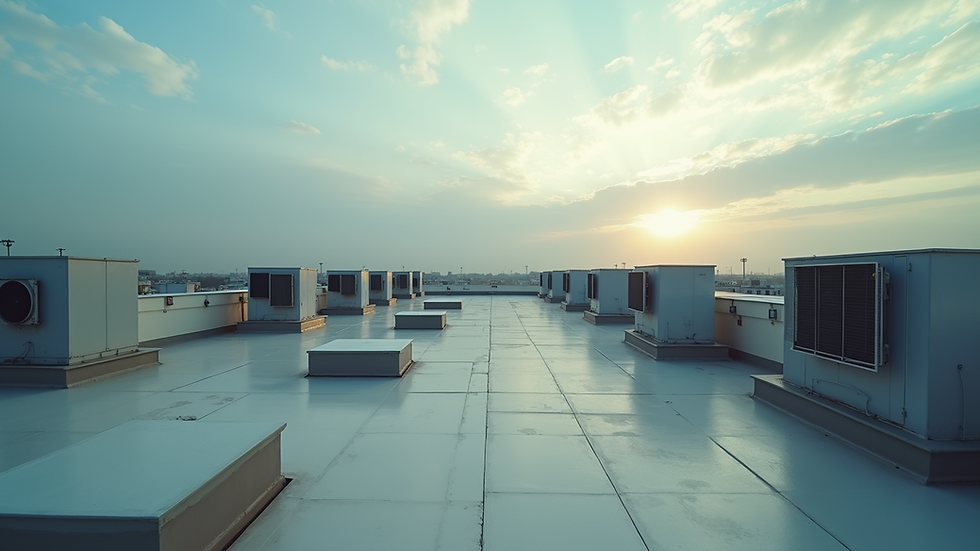
Regular inspection of rooftop HVAC units is essential for efficient operation.
Essential Areas to Include in Your Maintenance Planning Checklist
A thorough checklist covers all systems and areas that impact the property's operation and tenant experience. Below are the primary categories to include:
Structural and Exterior Maintenance
Inspect roofing for leaks, damage, and debris buildup.
Check exterior walls for cracks, water damage, or paint deterioration.
Maintain windows and doors, ensuring seals and locks function properly.
Clean gutters and downspouts to prevent water damage.
Monitor parking lots and walkways for cracks, potholes, and proper lighting.
Mechanical and Electrical Systems
Service HVAC systems seasonally, including filter changes and duct cleaning.
Test electrical panels, outlets, and emergency lighting.
Inspect plumbing for leaks, corrosion, and water pressure issues.
Maintain elevators and escalators according to safety codes.
Safety and Compliance
Test fire alarms, sprinkler systems, and emergency exits regularly.
Ensure compliance with ADA (Americans with Disabilities Act) standards.
Conduct pest control inspections and treatments.
Review security systems, including cameras and access controls.
Interior Maintenance
Maintain flooring, ceilings, and walls for wear and damage.
Service lighting fixtures and replace bulbs as needed.
Clean common areas and restrooms thoroughly and regularly.
Check tenant spaces for maintenance requests and address promptly.
By categorizing tasks, property managers can prioritize and allocate resources efficiently.

Routine electrical inspections prevent hazards and ensure code compliance.
Scheduling and Prioritizing Maintenance Tasks
Effective maintenance planning requires balancing routine upkeep with urgent repairs. Prioritize tasks based on safety impact, regulatory deadlines, and tenant comfort.
Tips for scheduling:
Daily and weekly tasks: Focus on cleaning, minor repairs, and safety checks.
Monthly and quarterly tasks: Include system servicing, inspections, and preventive maintenance.
Annual tasks: Conduct comprehensive audits, roof inspections, and major equipment servicing.
Use digital tools to automate reminders and track task completion. This reduces the risk of missed maintenance and helps justify budget allocations with documented records.
Leveraging Technology and Professional Services
Modern property management benefits greatly from technology and expert partnerships. Consider the following:
Maintenance management software: Streamlines scheduling, work orders, and reporting.
Remote monitoring: Sensors can track HVAC performance, water leaks, and energy use in real time.
Multi-trade contractors: Partner with firms offering electrical, plumbing, HVAC, and landscaping services to simplify vendor management.
Regular training: Keep staff updated on safety protocols and new maintenance techniques.
These resources improve efficiency, reduce downtime, and enhance tenant satisfaction.
Implementing a Reliable Commercial Property Maintenance Checklist
A reliable commercial property maintenance checklist is a vital tool for protecting and enhancing the long-term value of your assets. It supports consistent, high-quality service and strong communication between property managers, tenants, and service providers.
Actionable recommendations:
Review and update your checklist annually to reflect changes in property use or regulations.
Conduct periodic audits to verify task completion and identify improvement areas.
Communicate maintenance schedules clearly to tenants to minimize disruptions.
Budget proactively for maintenance to avoid deferred repairs and unexpected costs.
By following these guidelines, property managers can reduce downtime, improve tenant retention, and maintain a safe, attractive environment.
Sustaining Property Value Through Proactive Maintenance
Proactive maintenance is an investment in the future of your commercial property. It prevents deterioration, supports operational efficiency, and enhances marketability. Regular upkeep also demonstrates a commitment to tenant well-being and regulatory compliance.
Incorporate sustainability practices such as energy-efficient lighting, water-saving fixtures, and eco-friendly landscaping to further increase property appeal and reduce operating costs.
By adhering to a comprehensive maintenance planning checklist, you ensure your property remains competitive and valuable in a dynamic market.
This maintenance planning checklist serves as a foundation for effective commercial property management. Implementing it with diligence and professionalism will help safeguard your investment and foster positive tenant relationships.


Comments