
Essential Property Maintenance Services for Your Business - Key Property Services Overview
- Crown Royalty Property Services

- Dec 10, 2025
- 4 min read
Maintaining commercial properties requires a strategic approach that balances safety, functionality, and aesthetics. Proper upkeep ensures that buildings remain operational, tenants stay satisfied, and property values are preserved or enhanced. This article provides a clear, practical guide to the essential property maintenance services that support these goals. It is designed to help you understand the critical tasks and best practices for managing commercial properties effectively.
Key Property Services Overview
Commercial properties demand a wide range of maintenance services to address their unique needs. These services can be grouped into several key categories:
Routine Inspections and Preventive Maintenance: Regular checks help identify potential issues before they escalate. This includes HVAC system servicing, plumbing inspections, electrical system checks, and roof condition assessments.
Repairs and Emergency Services: Prompt response to repairs minimizes downtime and tenant disruption. Emergency services cover urgent issues like water leaks, electrical failures, or security system malfunctions.
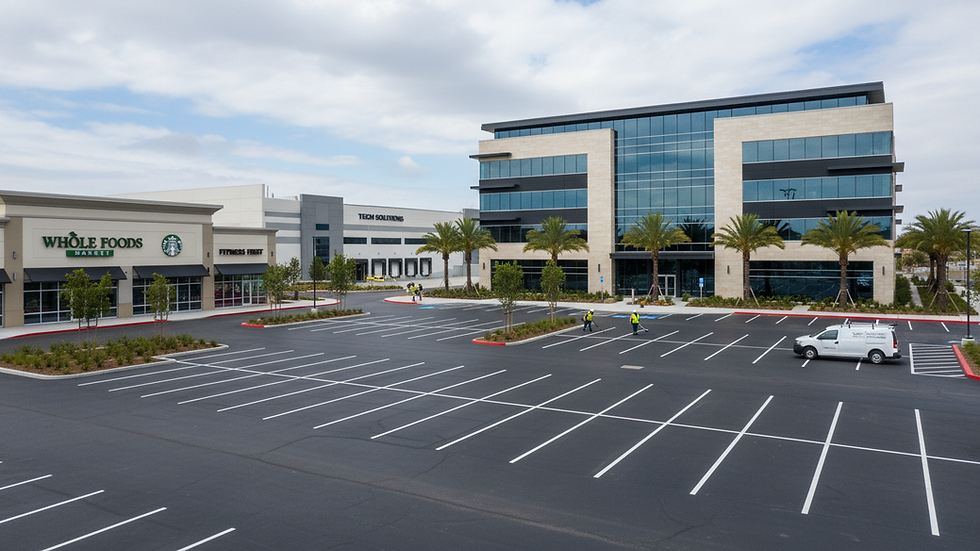
Landscaping and Exterior Maintenance: Maintaining the exterior appearance and safety of the property includes lawn care, tree trimming, parking lot repairs, and exterior lighting upkeep.
Cleaning and Janitorial Services: Clean common areas, restrooms, and exterior spaces contribute to tenant satisfaction and property appeal.
Compliance and Safety Checks: Ensuring that the property meets local codes and regulations, including fire safety inspections, elevator certifications, and ADA compliance.
Each of these service areas plays a vital role in the overall health and value of commercial properties. Coordinating these tasks efficiently requires a reliable maintenance partner with multi-trade expertise and strong communication skills.

What is Considered Maintenance on a Property?
Maintenance on a commercial property encompasses all activities aimed at preserving or restoring the property’s condition. It includes:
Preventive Maintenance: Scheduled tasks designed to prevent breakdowns, such as changing HVAC filters, lubricating mechanical parts, and inspecting fire suppression systems.
Corrective Maintenance: Repairs performed after a problem is detected, like fixing a leaking pipe or replacing broken windows.
Predictive Maintenance: Using data and technology to predict when equipment will fail, allowing for timely interventions.
Routine Upkeep: Daily or weekly tasks such as cleaning, trash removal, and minor repairs.
Capital Improvements: Larger projects that enhance the property’s value, such as roof replacement or major HVAC upgrades.
Understanding these categories helps prioritize work and allocate resources effectively. It also ensures compliance with safety standards and tenant expectations.
Critical Systems Maintenance
Commercial properties rely on several critical systems that require specialized attention:
HVAC Systems
Heating, ventilation, and air conditioning systems are essential for tenant comfort and energy efficiency. Regular maintenance includes:
Cleaning or replacing filters every 1-3 months.
Inspecting ductwork for leaks or blockages.
Checking refrigerant levels and electrical connections.
Scheduling seasonal tune-ups to optimize performance.
Neglecting HVAC maintenance can lead to costly repairs, increased energy bills, and tenant complaints.
Electrical Systems
Electrical maintenance ensures safety and uninterrupted power supply. Key tasks include:
Testing circuit breakers and panels.
Inspecting wiring for wear or damage.
Maintaining emergency lighting and exit signs.
Verifying grounding and bonding systems.
Routine electrical inspections reduce fire risks and prevent outages.
Plumbing Systems
Proper plumbing maintenance prevents water damage and health hazards. Important activities are:
Checking for leaks in pipes and fixtures.
Inspecting water heaters and pressure regulators.
Cleaning drains and sewer lines.
Testing backflow prevention devices.
Timely plumbing repairs protect the building structure and maintain tenant satisfaction.

Exterior and Grounds Maintenance
The exterior of a commercial property is the first impression for tenants and visitors. Maintaining it involves:
Landscaping: Regular mowing, trimming, fertilizing, and irrigation system checks.
Parking Lots and Walkways: Repairing cracks, repainting lines, and ensuring proper drainage.
Building Facade: Cleaning, painting, and repairing siding or masonry.
Roof Maintenance: Inspecting for leaks, clearing debris, and maintaining gutters.
Well-maintained grounds improve curb appeal and reduce liability risks from slips or falls.
Benefits of Partnering with a Professional Maintenance Service
Engaging a professional maintenance provider offers several advantages:
Expertise Across Trades: Access to skilled technicians in electrical, plumbing, HVAC, and landscaping.
Consistent Quality: Standardized procedures and quality control ensure reliable service.
Efficient Communication: Clear reporting and scheduling keep property managers informed.
Reduced Downtime: Prompt repairs and preventive care minimize disruptions.
Cost Savings: Early detection of issues prevents expensive emergency repairs.
Tenant Satisfaction: Well-maintained properties attract and retain tenants.
Choosing a partner with a strong regional presence and a commitment to high standards supports long-term asset protection and value enhancement.
For those seeking a trusted provider, essential property maintenance services offer comprehensive solutions tailored to commercial property needs.
Planning and Scheduling Maintenance
Effective maintenance requires careful planning and scheduling:
Create a Maintenance Calendar: Outline routine inspections, seasonal tasks, and major projects.
Prioritize Tasks: Address safety-critical issues first, followed by preventive and cosmetic work.
Use Technology: Implement maintenance management software to track work orders and asset history.
Coordinate with Tenants: Schedule disruptive work during off-hours or low-traffic periods.
Review and Adjust: Regularly assess maintenance outcomes and update plans accordingly.
A proactive approach reduces emergency repairs and extends the lifespan of property components.
Enhancing Safety and Compliance
Safety is paramount in commercial property management. Maintenance activities must align with:
Local Building Codes: Adhering to regulations for structural integrity and fire safety.
Occupational Safety Standards: Protecting workers and tenants during maintenance operations.
Environmental Regulations: Managing waste, hazardous materials, and energy use responsibly.
Accessibility Requirements: Ensuring compliance with ADA standards for entrances, restrooms, and signage.
Regular audits and staff training support a culture of safety and compliance.
Final Thoughts on Property Maintenance Excellence
Maintaining commercial properties is a complex but manageable task when approached systematically. Prioritizing critical systems, scheduling routine upkeep, and partnering with experienced service providers are key steps. This approach not only safeguards the physical asset but also enhances tenant satisfaction and operational efficiency.
Investing in essential property maintenance services ensures your property remains a valuable, safe, and attractive place for business. Consistency, communication, and expertise form the foundation of successful property management that stands the test of time.


Comments