
Comprehensive Facility Upkeep: Your Guide to Effective Maintenance Services
- Crown Royalty Property Services

- Dec 31, 2025
- 4 min read
Managing commercial properties requires a strategic approach to upkeep that ensures safety, functionality, and tenant satisfaction. Proper maintenance is not just about fixing issues as they arise; it’s about proactive care that protects your investment and enhances the value of your assets over time. In this guide, I will walk you through the essentials of comprehensive facility upkeep, offering practical advice tailored to commercial property operations.
The Importance of Comprehensive Facility Upkeep
Maintaining a commercial property involves more than routine cleaning or occasional repairs. Comprehensive facility upkeep means addressing every aspect of the building’s infrastructure, systems, and environment to prevent downtime and costly emergencies. This approach helps:
Extend the lifespan of equipment and building components
Ensure compliance with safety and regulatory standards
Improve tenant satisfaction and retention
Reduce unexpected repair costs
Enhance the overall appearance and functionality of the property
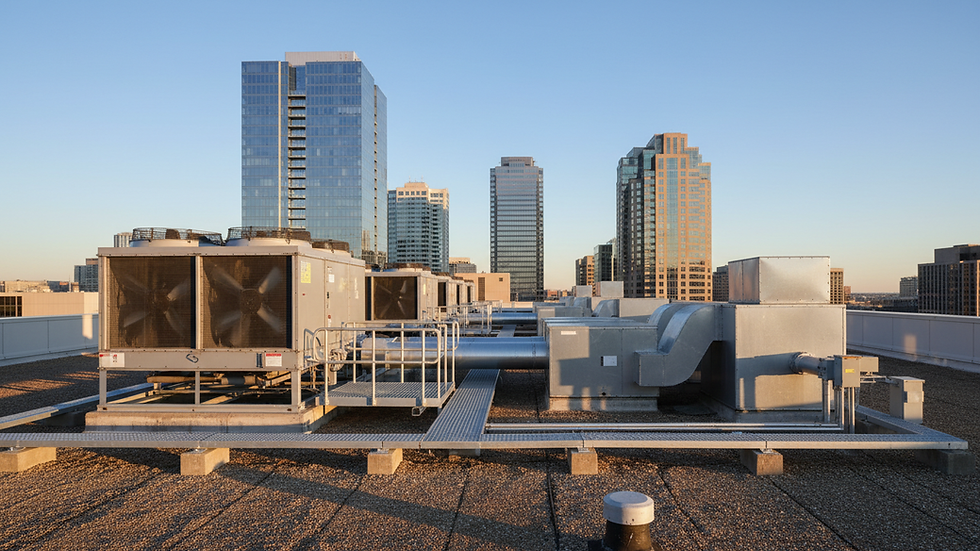
For example, regular HVAC inspections can prevent system failures during peak seasons, while scheduled roof maintenance can avoid leaks that damage interiors. By investing in comprehensive upkeep, you create a safer, more reliable environment that supports your business goals.

Key Components of Comprehensive Facility Upkeep
To implement a successful maintenance program, it’s essential to understand the core components that make up comprehensive facility upkeep. These include:
1. Preventive Maintenance
This involves scheduled inspections and servicing of equipment and systems before problems occur. Tasks include checking HVAC units, electrical panels, plumbing, and fire safety systems. Preventive maintenance reduces emergency repairs and extends asset life.
2. Corrective Maintenance
When issues arise, corrective maintenance addresses repairs promptly to minimize disruption. This requires a responsive team and clear communication channels to handle tenant requests and urgent fixes efficiently.
3. Predictive Maintenance
Using data and technology, predictive maintenance anticipates failures by monitoring equipment conditions. Sensors and software can alert you to potential problems, allowing for timely interventions.
4. Grounds and Exterior Maintenance
Maintaining the exterior includes landscaping, parking lot upkeep, lighting, and signage. These elements contribute to curb appeal and safety, impacting tenant and visitor perceptions.
5. Compliance and Safety Checks
Regular audits ensure that your property meets local codes, fire regulations, and environmental standards. This protects your liability and keeps occupants safe.
By integrating these components, you create a robust maintenance strategy that supports operational efficiency and asset preservation.
What is the meaning of maintenance services?
Maintenance services refer to the systematic activities performed to keep a facility’s infrastructure, equipment, and systems in optimal working condition. These services encompass a wide range of tasks, from routine inspections and cleaning to complex repairs and upgrades. The goal is to prevent breakdowns, ensure safety, and maintain the property’s value.
In commercial settings, maintenance services often include:
HVAC system servicing
Electrical system inspections
Plumbing repairs
Fire alarm and sprinkler system testing
Elevator maintenance
Janitorial and cleaning services
Landscaping and exterior upkeep
Effective maintenance services are proactive rather than reactive. They rely on scheduled plans and professional expertise to address issues before they escalate. This approach minimizes downtime and disruption, which is critical in commercial properties where tenant satisfaction and operational continuity are priorities.
Developing a Maintenance Plan That Works
Creating a maintenance plan tailored to your property’s needs is essential for consistent, high-quality service. Here’s how to build one:
Step 1: Conduct a Facility Assessment
Start by evaluating all building systems, equipment, and structural elements. Identify areas prone to wear or failure and note any existing issues.
Step 2: Prioritize Maintenance Tasks
Rank tasks based on urgency, impact on operations, and safety concerns. For example, fire safety systems should be a top priority, followed by HVAC and plumbing.
Step 3: Schedule Regular Inspections and Servicing
Develop a calendar for preventive maintenance activities. Use software tools to track schedules and send reminders to your maintenance team or contractors.
Step 4: Establish Clear Communication Protocols
Ensure tenants and staff know how to report issues. Maintain a centralized system for logging requests and tracking resolution times.
Step 5: Monitor and Adjust
Regularly review maintenance outcomes and adjust your plan based on performance data and feedback. Continuous improvement helps optimize resources and service quality.
By following these steps, you can reduce downtime, improve tenant satisfaction, and protect your property’s long-term value.

Leveraging Technology in Facility Maintenance
Modern technology plays a crucial role in enhancing maintenance efficiency and accuracy. Here are some tools and systems to consider:
Computerized Maintenance Management Systems (CMMS): These platforms help schedule, track, and document maintenance activities. They improve accountability and reporting.
Building Automation Systems (BAS): BAS integrates control of HVAC, lighting, and security systems, allowing centralized monitoring and adjustments.
IoT Sensors: Internet of Things devices monitor equipment conditions in real-time, providing data for predictive maintenance.
Mobile Apps: Enable maintenance staff to receive work orders, update statuses, and access manuals on the go.
Implementing these technologies supports proactive maintenance, reduces manual errors, and enhances communication between property managers and service providers.
Partnering with the Right Maintenance Provider
Choosing a reliable maintenance partner is critical to achieving your facility upkeep goals. Look for providers who offer:
Multi-trade expertise: Ability to handle electrical, plumbing, HVAC, and general repairs.
Strong communication: Transparent reporting and responsive service.
Local knowledge: Familiarity with Southern California regulations and climate considerations.
Customized service plans: Tailored to your property’s unique needs.
Proven track record: Positive references and case studies demonstrating consistent quality.
A trusted partner helps reduce downtime, improve tenant satisfaction, and protect your investment. When evaluating providers, ask about their preventive maintenance programs, emergency response times, and technology use.
By focusing on comprehensive facility upkeep, you ensure your commercial property remains safe, efficient, and attractive. Implementing a strategic maintenance plan supported by technology and expert partners will help you protect and enhance the long-term value of your assets.
For more information on how to optimize your property’s care, explore facility maintenance services tailored to your needs.


Comments