
Comprehensive Commercial Property Care Services Guide
- Crown Royalty Property Services

- Dec 22, 2025
- 4 min read
Maintaining commercial properties requires a strategic approach that balances safety, functionality, and aesthetics. Effective property care ensures that buildings remain operational, attractive, and compliant with regulations. This guide breaks down the essential aspects of commercial property maintenance, offering practical insights for managing diverse commercial assets efficiently.
Understanding the Property Care Services Guide
Property care services encompass a broad range of activities designed to preserve and enhance commercial real estate. These services are critical for minimizing downtime, reducing repair costs, and improving tenant satisfaction. A well-structured maintenance program addresses both routine upkeep and unexpected repairs, ensuring that properties operate smoothly and retain their value over time.
Key components of a successful property care strategy include:
Preventive maintenance: Scheduled inspections and servicing to avoid breakdowns.
Corrective maintenance: Prompt repairs to fix issues as they arise.
Emergency response: Rapid action plans for urgent problems like plumbing leaks or electrical failures.
Tenant communication: Keeping occupants informed about maintenance schedules and updates.
By integrating these elements, property managers can create a reliable system that supports long-term asset performance.
Why Regular Maintenance Matters for Commercial Properties
Regular maintenance is not just about fixing problems; it is a proactive investment in the property's future. Neglecting upkeep can lead to costly repairs, safety hazards, and tenant dissatisfaction. Conversely, consistent care helps:
Extend asset lifespan: Routine servicing of HVAC, roofing, and electrical systems prevents premature failure.
Enhance safety: Regular checks reduce risks of accidents caused by faulty equipment or structural issues.
Improve energy efficiency: Maintaining systems like lighting and insulation lowers utility costs.
Boost tenant retention: Well-maintained properties attract and keep quality tenants, reducing vacancy rates.
Ensure compliance: Adhering to local codes and regulations avoids fines and legal complications.
For example, scheduling quarterly HVAC inspections can prevent unexpected breakdowns during peak seasons, maintaining tenant comfort and operational continuity.
What does property maintenance include?
Property maintenance covers a wide array of tasks tailored to the specific needs of commercial buildings. These tasks can be grouped into several categories:
1. Building Systems Maintenance
HVAC servicing: Cleaning filters, checking refrigerant levels, and inspecting ductwork.
Electrical system checks: Testing wiring, lighting, and emergency power supplies.
Plumbing maintenance: Inspecting pipes, drains, and fixtures for leaks or blockages.
Fire safety systems: Ensuring alarms, sprinklers, and extinguishers are functional and compliant.
2. Structural and Exterior Upkeep
Roof inspections and repairs: Identifying leaks, damaged shingles, or drainage issues.
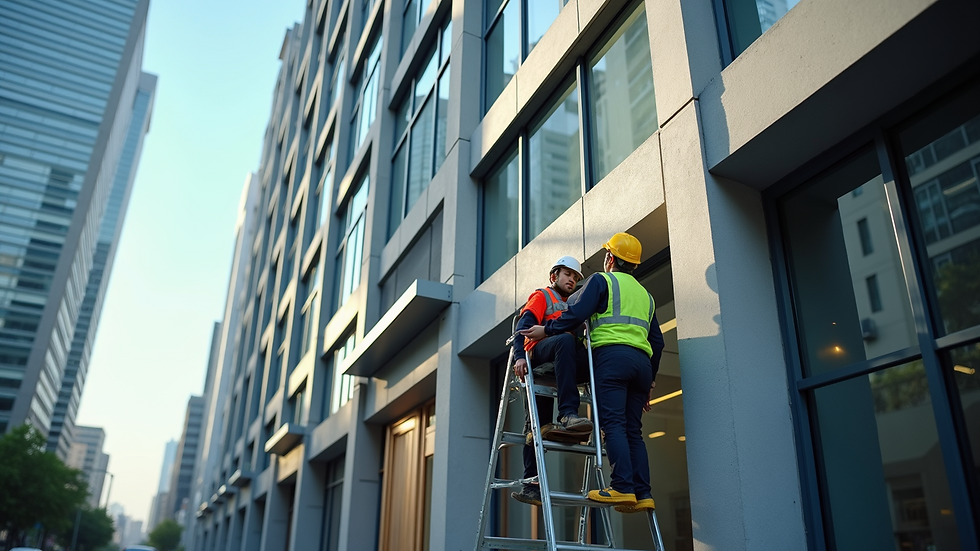
Facade cleaning and repairs: Removing dirt, graffiti, and repairing cracks or damaged surfaces.
Window and door maintenance: Checking seals, locks, and hardware for proper operation.
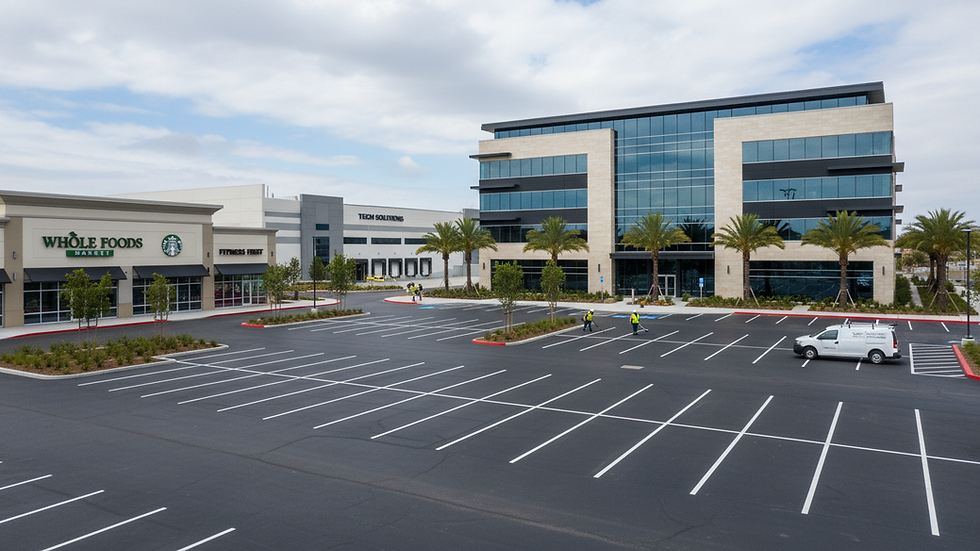
Parking lot and pavement care: Filling potholes, repainting lines, and maintaining lighting.
3. Groundskeeping and Landscaping
Lawn care: Mowing, fertilizing, and weed control.
Tree and shrub maintenance: Pruning, disease control, and removal if necessary.
Irrigation system checks: Ensuring efficient water use and preventing leaks.
Snow and ice removal: Clearing walkways and parking areas during winter months.
4. Cleaning and Janitorial Services
Common area cleaning: Lobbies, hallways, restrooms, and elevators.
Trash and recycling management: Regular collection and disposal.
Pest control: Preventing infestations that can damage property or disturb tenants.
5. Tenant Support and Communication
Maintenance request handling: Efficiently addressing tenant concerns.
Scheduled updates: Informing occupants about planned maintenance activities.
Safety training and signage: Promoting awareness and compliance.
Implementing a comprehensive maintenance plan that covers these areas helps avoid costly emergency repairs and supports a safe, welcoming environment.

Best Practices for Effective Commercial Property Maintenance
To maximize the benefits of property care, consider these best practices:
Develop a Maintenance Schedule
Create a detailed calendar that outlines routine inspections, servicing, and seasonal tasks. Use digital tools or property management software to track progress and set reminders.
Prioritize Preventive Maintenance
Focus on early detection and correction of potential issues. For example, regularly cleaning gutters can prevent water damage to the building’s foundation.
Use Qualified Professionals
Engage licensed contractors and certified technicians for specialized tasks such as electrical work, roofing, and fire safety system inspections. This ensures compliance and quality workmanship.
Maintain Clear Documentation
Keep records of all maintenance activities, inspections, and repairs. Documentation supports warranty claims, regulatory compliance, and informed decision-making.
Communicate Transparently with Tenants
Provide clear information about maintenance schedules and any disruptions. Promptly address tenant concerns to build trust and satisfaction.
Monitor and Adjust
Regularly review maintenance outcomes and costs. Adjust the program based on property needs, tenant feedback, and emerging issues.
Leveraging Technology in Property Maintenance
Modern technology offers tools that streamline property care and improve efficiency:
Building Management Systems (BMS): Automate monitoring of HVAC, lighting, and security systems.
Mobile maintenance apps: Enable on-the-go reporting and tracking of work orders.
IoT sensors: Detect leaks, temperature changes, or equipment malfunctions in real time.
Data analytics: Analyze maintenance trends to optimize scheduling and budgeting.
Adopting these technologies can reduce downtime, lower operational costs, and enhance tenant comfort.
Partnering with a Trusted Maintenance Provider
Outsourcing to a professional maintenance company can bring multi-trade expertise and consistent service quality. A reliable partner offers:
Comprehensive service offerings: Covering electrical, plumbing, HVAC, landscaping, and more.
Responsive emergency support: Minimizing disruption during urgent situations.
Accurate reporting: Providing transparency and accountability.
Customized maintenance plans: Tailored to the unique needs of each property.
For those seeking dependable commercial property maintenance services, partnering with an experienced provider ensures properties remain safe, efficient, and attractive.
Enhancing Property Value Through Maintenance
Regular and thorough maintenance directly contributes to the long-term value of commercial properties. Well-maintained buildings command higher rents, attract quality tenants, and reduce capital expenditures. Additionally, proactive care supports sustainability goals by improving energy efficiency and reducing waste.
Investing in property care is a strategic decision that safeguards assets and supports business objectives. By following the guidance outlined in this property care services guide, property managers and owners can achieve operational excellence and maximize returns.
This comprehensive overview provides a clear roadmap for managing commercial property maintenance effectively. Implementing these strategies will help protect investments, enhance tenant experiences, and maintain compliance with industry standards.


Comments